Emprunt national
Artist
Lucien Métivet
1863–1932. Illustrator, poster artist. Born in Paris.
Métivet trained in Paris and worked as an illustrator for magazines and books. He also drew posters for theatre and for public campaigns.
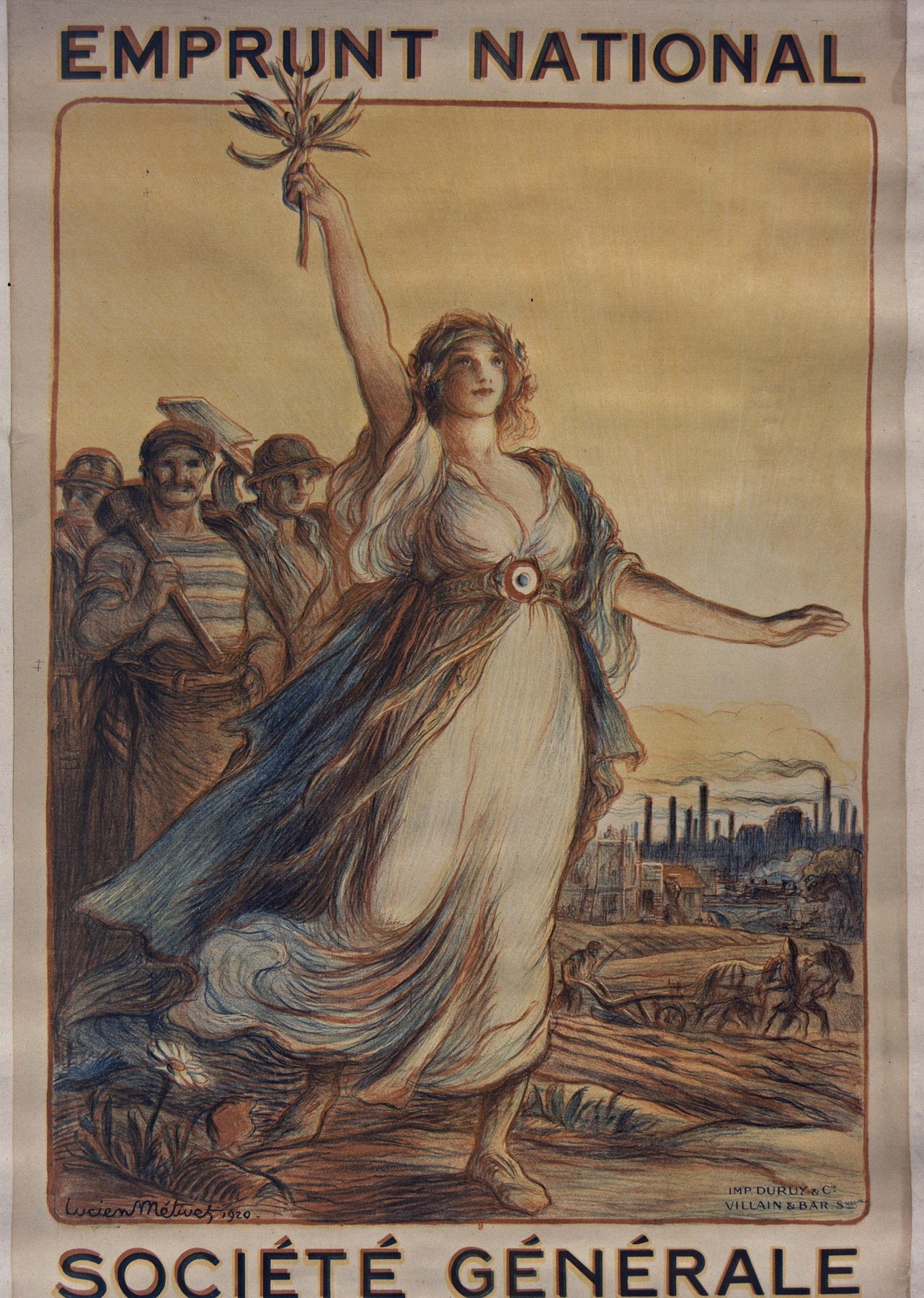
His 1920 Emprunt national sheet for Société Générale sets EMPRUNT NATIONAL and SOCIÉTÉ GÉNÉRALE in the same bold outlined capitals over a figure of France.
- Lucien Métivet
- 1920
- Art Deco
- France
- Geometric sans, Shadow and outline
- Duruy et Cie, Paris
- Bibliothèque nationale de France
- Gallica btv1b9016347w
- Wikimedia Commons
- Public domain
Fonts
Loan Capitals

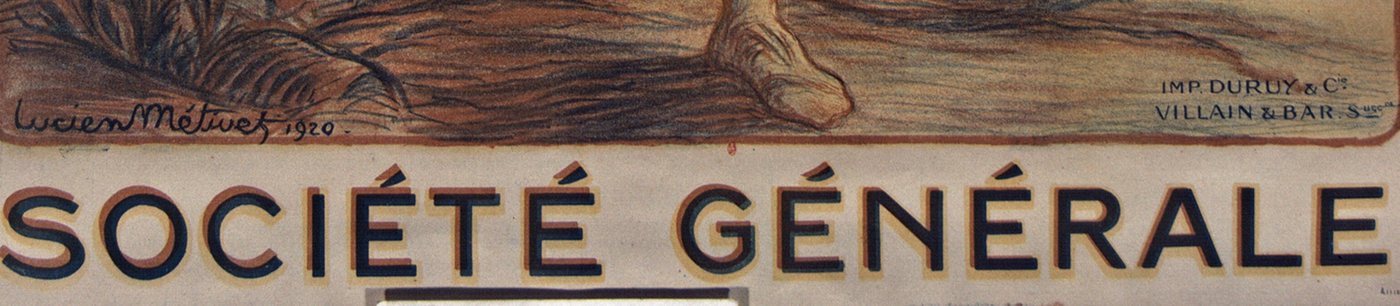
Letters from the poster
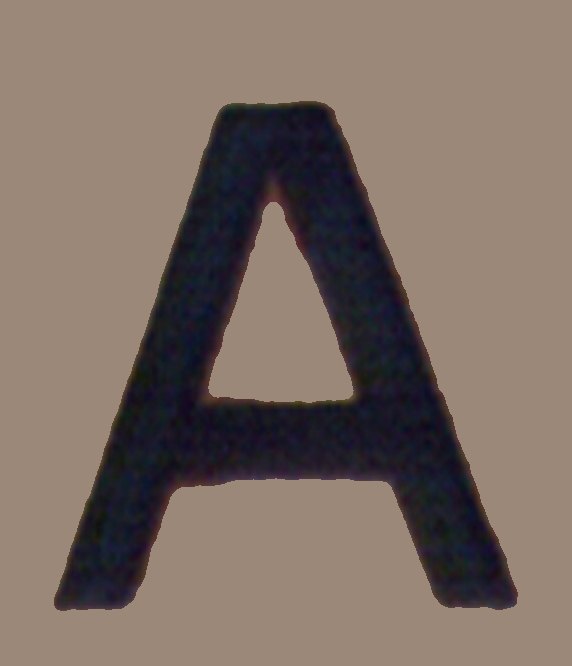
Full typeface
Lettering style
Download
History
After the First World War, French banks sold national loans with poster campaigns. Métivet’s 1920 sheet for Société Générale puts the bank and the loan in the same capital lettering.
The letters are heavy and geometric: navy, with a terracotta drop shadow and a thin pale outline. Accents sit as short diagonal strokes on É.
The Bibliothèque nationale de France holds a copy printed by Duruy et Cie.
Source and rights
Lucien Métivet died in 1932. His work entered the public domain on 1 January 2003. The scan comes from Gallica, the digital library of the BnF.
Scan from Wikimedia Commons, catalogue record Gallica btv1b9016347w. Brand names on the poster belong to their owners and are never used as font names.
Related posters
Same era, lettering or artist.