Maurin Quina
Artist
Leonetto Cappiello
1875–1942. Caricaturist, poster artist. Born in Livorno, Italy.
Cappiello moved to Paris in 1898 and made his name as a caricaturist. He turned to posters soon after and signed a long contract with the printer Vercasson, later moving to Devambez.
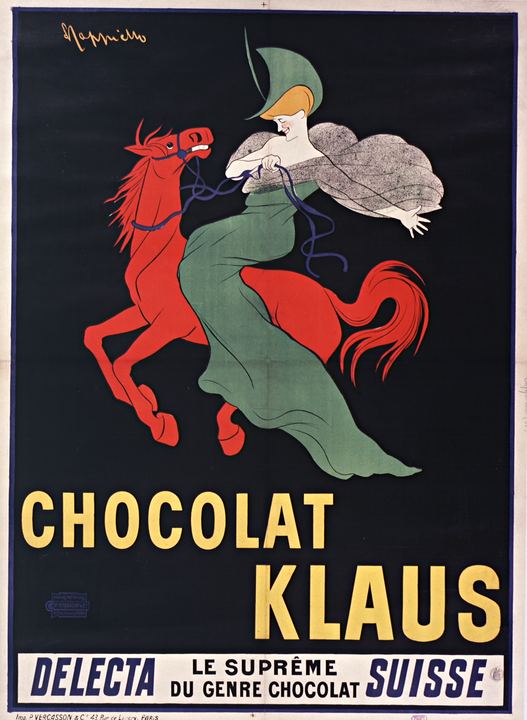
His formula was a single striking figure, often unrelated to the product, set against a flat black or coloured ground. Chocolat Klaus in 1903 is usually named as the breakthrough. The lettering on his posters is plain, condensed and loud, which is exactly what makes it useful as type.
- Leonetto Cappiello
- 1906
- Belle Époque
- France
- Condensed sans
- Vercasson, Paris
- Bibliothèque nationale de France
- Gallica btv1b90059518
- Wikimedia Commons
- Public domain
Fonts
Mustard Capitals
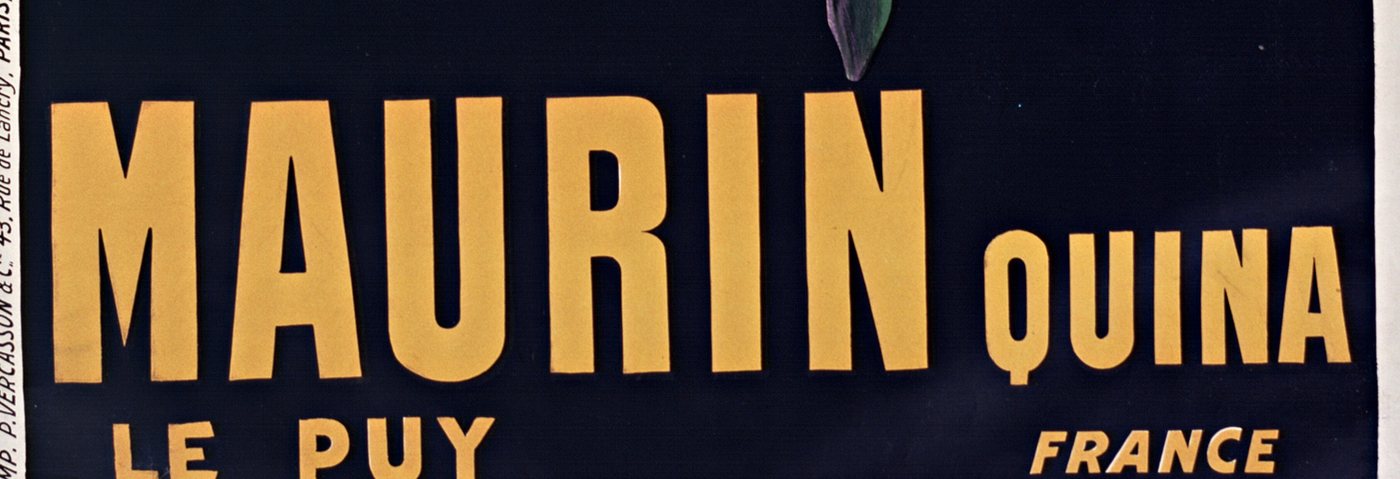
Letters from the poster
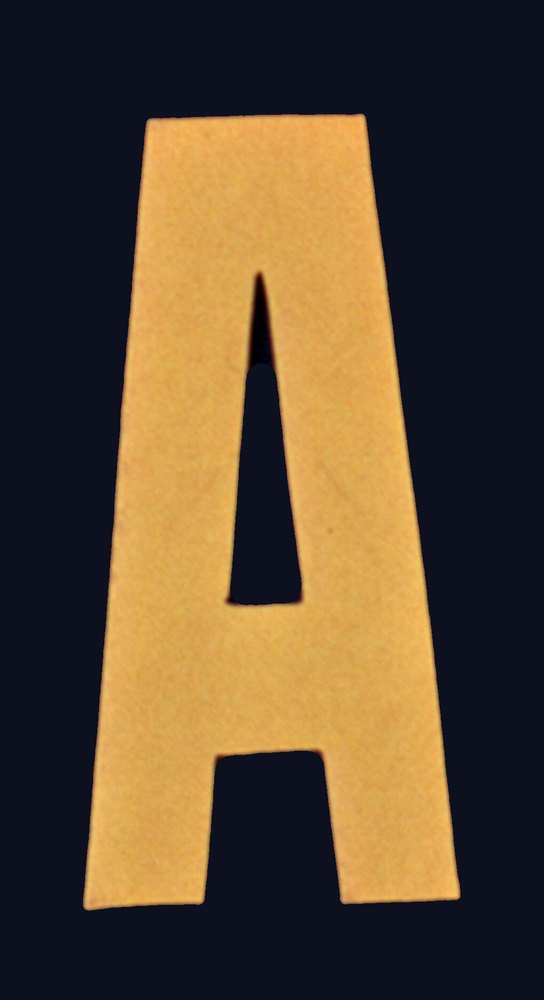
Full typeface
Lettering style
Download
History
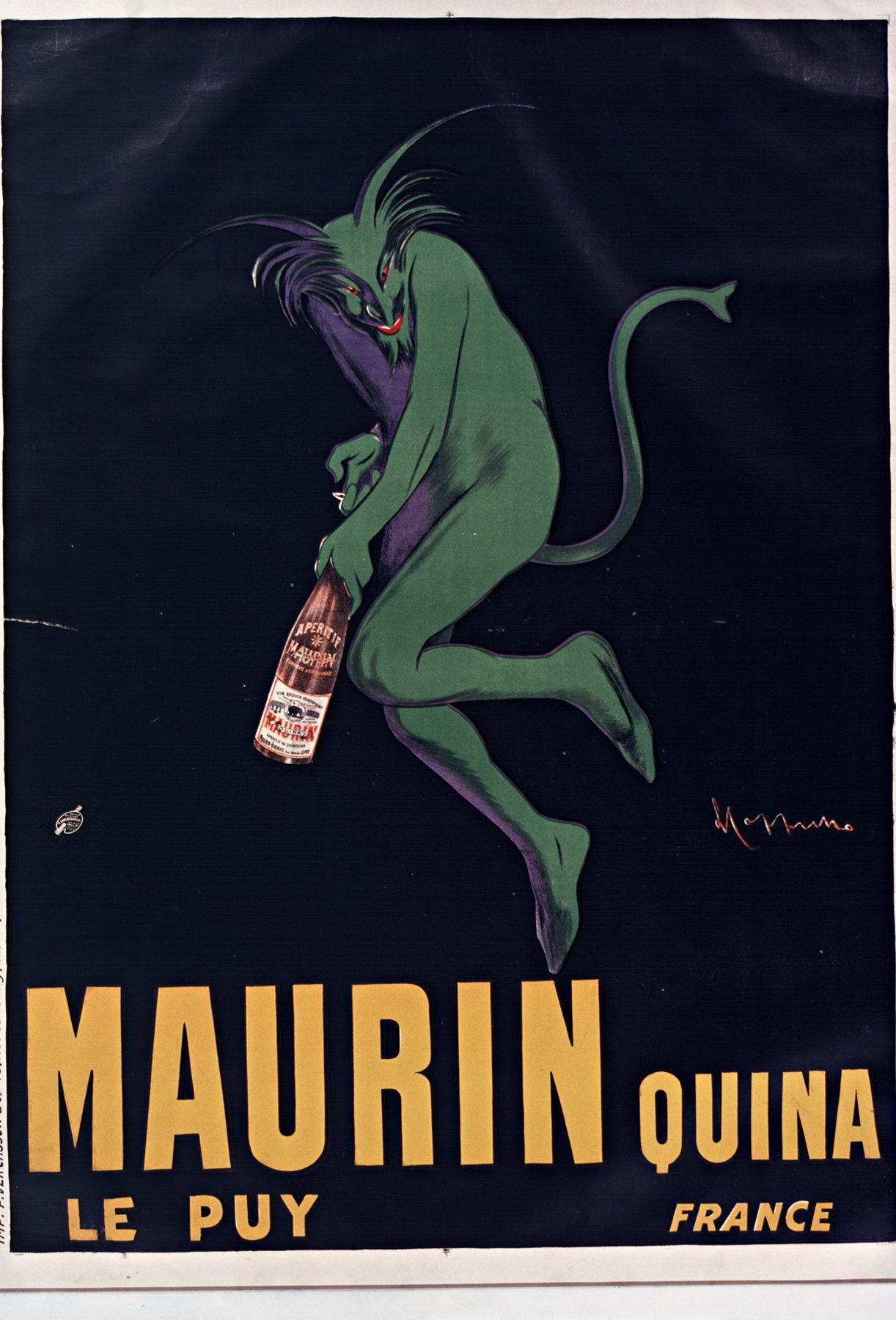
Maurin Quina was a quinquina aperitif from Le Puy. Cappiello sells it with one figure and almost no product: a green devil, the old absinthe joke, pulling a cork against flat black.
The lettering does the brand work. MAURIN is a tall, condensed grotesque in mustard yellow. QUINA repeats the same lettering smaller. The bottom line names the town and country in a lighter cut.
The Bibliothèque nationale de France holds a copy printed by Vercasson in Paris and dates it 1906.
Source and rights
Leonetto Cappiello died in 1942. His work entered the public domain on 1 January 2013. The scan comes from Gallica, the digital library of the BnF.
Scan from Wikimedia Commons, catalogue record Gallica btv1b90059518. Brand names on the poster belong to their owners and are never used as font names.
Related posters
Same era, lettering or artist.